
Square Enix Emphasizes Blockchain Gaming Strategy for 2022
Written with artificial intelligence.
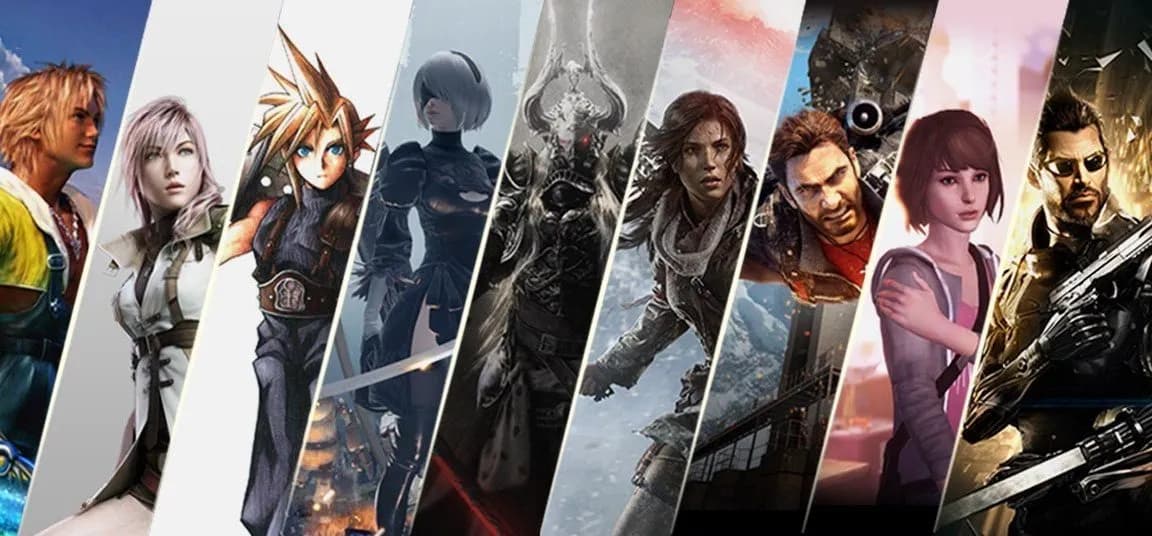
Square Enix President Yosuke Matsuda has outlined the company's focus on blockchain gaming as a key strategic theme for 2022. Matsuda believes that blockchain technology can incentivize players to generate in-game content, though past examples show that user-generated content marketplaces can exist without blockchain.
Square Enix's New Direction
In a recent New Year's message, Square Enix President Yosuke Matsuda expressed the company's intention to delve into "blockchain gaming" and "decentralized games" as a major focus for 2022. Matsuda envisions that blockchain can offer players explicit incentives to create significant in-game content, benefiting both the players and the game itself.
Matsuda divides players into two categories: those who play for enjoyment and those motivated to contribute to the game's development. He argues that traditional games often rely on goodwill for user-generated content, which has limited its growth. With advances in token economies, he believes that players will receive tangible rewards for their creative contributions, leading to a self-sustaining cycle of game growth.
Historical Context
Despite Matsuda's enthusiasm, examples of successful user-generated content markets without blockchain abound. Valve's Steam Workshop, for instance, has facilitated the sale of user-generated items since 2011, compensating creators significantly. Similarly, Roblox has allowed over a million developers to earn in-game currency from their creations, although only a small fraction converted their earnings into real money.
While blockchain technology may offer benefits like third-party marketplaces, it does not fundamentally change the control game publishers have over item sales. The value of in-game items is also contingent on the game's continued popularity, regardless of whether these items are blockchain-based.

Future Possibilities
Matsuda acknowledges the increasing societal acceptance of cryptocurrencies and sees the potential for NFTs to become a significant trend in gaming. He suggests that trading digital goods could become as commonplace as trading physical items. However, the challenges of creating a viable market for user-generated content remain, and the hype surrounding blockchain should be approached with caution.
In summary, while Square Enix is gearing up for a push into blockchain gaming, the company faces the challenge of navigating established models of user-generated content that exist outside of blockchain.